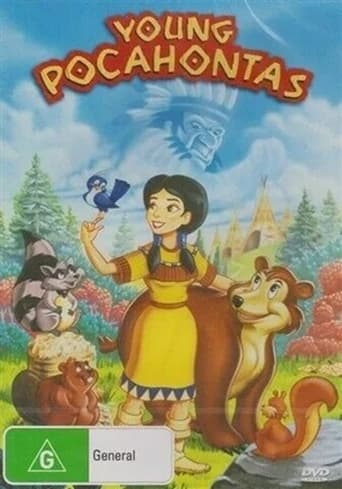
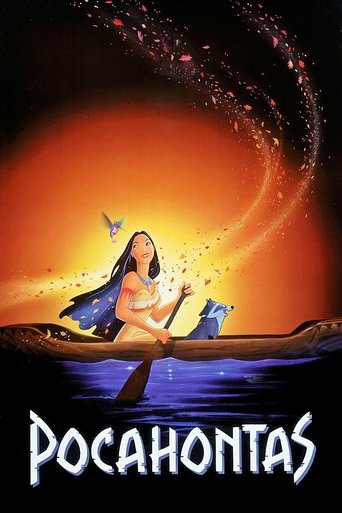
The house joke, stated plainly
Around here we like to pretend the mockbuster is always the original and the blockbuster is the expensive knock-off. It is a joke. We are contractually obliged to say so, loudly, before anyone quotes us in a film-studies seminar. In this particular case the joke has to work extra hard, because Young Pocahontas arrived in 1997 and Disney's Pocahontas arrived in 1995. Two years earlier. The alleged copy beat the alleged original to the shelf.
Which means, if we're honest — and we are, roughly once per article — what we've got here is not a case of theft but a case of gravity. A studio spends a fortune animating a story, the story becomes a household word, and within a couple of years a smaller production discovers that the same story is sitting there in the public domain, free of charge, waiting for anyone with a cel budget and a deadline.
The thing nobody owns
That's the delicious wrinkle of this matchup. Pocahontas, daughter of Chief Powhatan, and Captain John Smith are historical figures. Nobody holds the rights to the 17th century. Both films reach for the same set of raw materials — the arriving English longboats, the village that doesn't know whether to expect trade or war, the young woman whose curiosity becomes the thinnest thread holding two peoples apart — and both are entirely entitled to do so.
So the accusation of copying dissolves on contact with the law, and what's left is far more interesting: two wildly different budgets, pointed at the identical premise, arriving at two wildly different objects.