The setup nobody planned, and everybody saw coming
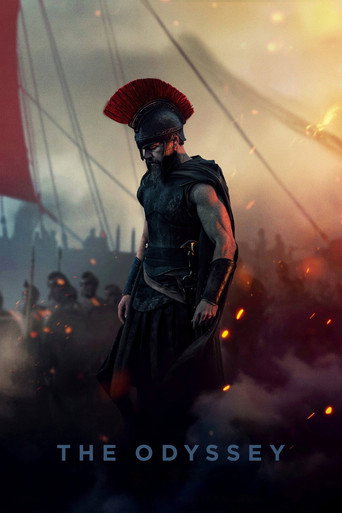
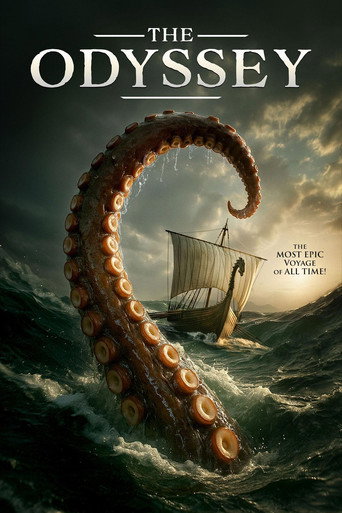
Every so often the release calendar produces a coincidence so tidy it looks staged. 2026 gave us two films called The Odyssey. Same title. Same source. Same wandering king. One directed by Christopher Nolan, one directed by Marcel Walz. If you typed the name into a search bar this year, you got a fork in the road and no signposts.
House rules oblige us to point out — as a joke, clearly labelled as such, because we are nothing if not scrupulous — that at Mockbusters.tv we consider the low-budget entry the original and the expensive one the million-dollar copy. It's an editorial bit. It is not a legal claim, a production timeline, or an accusation. The genuine original here is a poem roughly three thousand years old, written by a man we can't even confirm existed as one person, and he isn't available for comment.
With that disclaimer nailed firmly to the mast, let's dissect the two voyages.
What the expensive version is selling
Nolan's film frames the story as a study in loss. Ten years of war at Troy end with Odysseus holding nothing: the throne unsecured, Penelope further away than ever, a son he barely knows growing up without him. The sea does the rest of the work, keeping him from home while gods act on whims and creatures appear that shouldn't exist.
The pitch, per the catalog, is that the voyage tests two things at once — the hero's legendary cunning, and whatever humanity he still has left after a decade of killing. That's a very Nolan framing: the puzzle and the moral cost, running on parallel tracks, both accelerating. It's literature's most famous journey home treated as an interrogation of the man doing the journeying.