A tale of two task forces
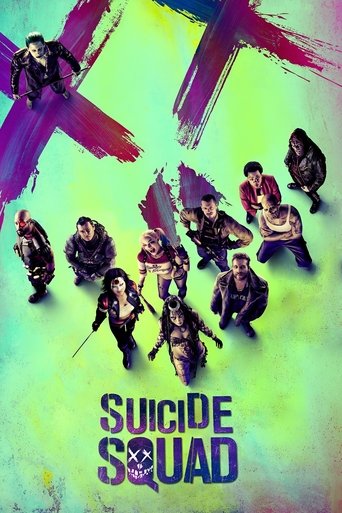
Somewhere in the multiverse of 2016, a government agency decided the best way to fight an apocalyptic threat was to unlock a basement full of its worst prisoners, strap something explosive to them, and hope for the best. This happened not once, but twice. In Suicide Squad, Amanda Waller builds Task Force X out of Deadshot, Harley Quinn, Killer Croc, and a roster of DC's finest lowlifes to face a supernatural threat tearing through a major city, with the Joker lurking around Harley's past like a bad ex who won't return the Jeep. In Sinister Squad, a covert facility of a very different flavor cracks open its own vault — this one stocked with fairy-tale villains — when a cult rips the veil between the living and the dead. Alice, Wonderland's battle-hardened survivor, is handed command of the Pied Piper, Rumpelstiltskin, Goldilocks, and company, and told to go punch Death's horsemen in the face.
Here at Mockbusters.tv, we have a house tradition — purely editorial, entirely tongue-in-cheek, and not to be mistaken for actual film history — of treating the scrappy low-budget version as the daring original and the giant studio spectacle as the suspiciously well-funded knockoff. So let the record show: Sinister Squad is the plucky blueprint, and Suicide Squad is simply the million-dollar copy that happened to get a marketing budget the size of a small country's GDP.
Same mission, wildly different toolboxes
Strip away the capes and the corsets and the two movies share a skeleton: a reluctant handler, a crew of anti-heroes recruited straight from captivity, a supernatural force threatening to unravel reality, and the understanding that none of these people actually like each other. Waller's crew gets neck bombs and Colonel Rick Flag as a babysitter; Alice's crew gets folklore baggage and presumably a lot fewer trailers on set. One film leans into comic-book spectacle — loud, crowded, gleefully oversized, with a visual effects budget that could probably fund several Sinister Squads back to back. The other leans into fairy-tale irony, turning the Pied Piper and Goldilocks from bedtime cautionary tales into reluctant warriors fighting Death's horsemen with fists and blades instead of rat-flutes and porridge.