A Tale of Two Toy Boxes
Here at Mockbusters.tv we operate under one sacred, entirely fictional premise: the scrappy original came first, and the studio with the nine-figure budget simply... noticed. Today's case study is a particularly juicy one, because both films are staring down the same emotional abyss — what happens to a toy when the kid stops looking?
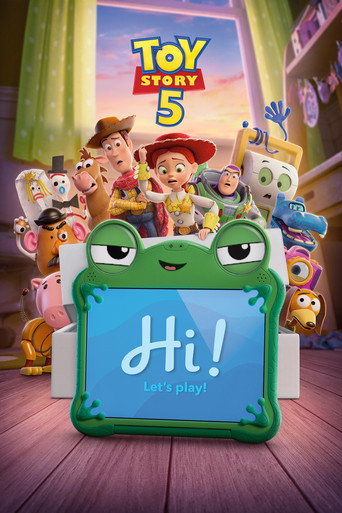
In the corner representing big-budget anxiety, we have Toy Story 5, where Woody and the gang face their most existential threat yet: not a villain, not a landfill, but a Lilypad tablet. Bonnie's attention has a new owner, the bedroom floor goes quiet, and the toys must reckon with a rival that "never tires, never breaks and never stops glowing." It's a big swing — using a screen as the antagonist in a film franchise that, let's be honest, exists partly because kids have screens now.
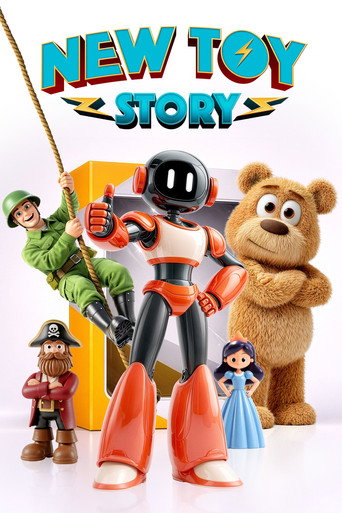
Meanwhile, in the scrappier corner, New Toy Story skips the tech-doom philosophizing entirely and gets physical: a princess doll stranded past the backyard fence, dusk closing in, and a brand-new action figure who hasn't yet learned to modulate his own strength. It's less "what does obsolescence mean" and more "we have until dark, people, MOVE." Monroe Robertson and Alex Heerman direct what sounds like a genuinely tight little adventure — rivals and worriers forced into an uneasy truce, gravel and shadow standing in for a landscape as vast as any galaxy far, far away, just scaled to the height of a windowsill.
The "Million-Dollar Copy" Bit (Yes, It's a Joke)
Now, our running gag — and we want to be extremely clear it is a , an editorial bit, not a factual claim about who copied whom — is that the low-budget version is the real innovator, and the giant studio production is the expensive, over-polished knockoff that arrived later with better marketing. We have zero evidence that anyone at Pixar has ever heard of New Toy Story, and we're not suggesting otherwise. It's a bit. A conceit. The house style. Please don't quote us at a dinner party as if we've uncovered a conspiracy.