Same Year, Same River, Two Princes
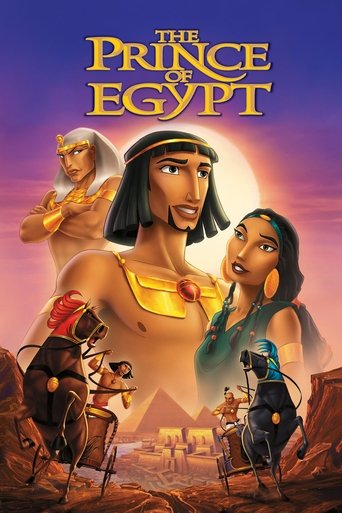
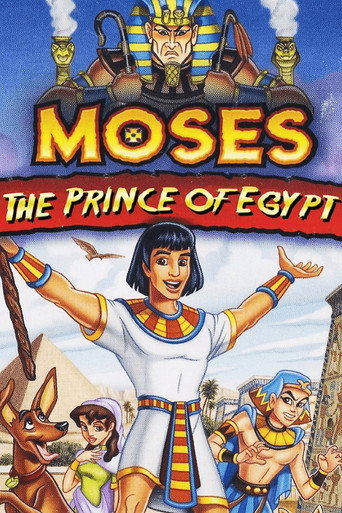
Something strange happened in 1998: two animated features about a prince who discovers he was never really a prince at all, both set against the same Egyptian sun, both building toward the same plagues and the same flight into the desert. One of them had DreamWorks' full orchestral weight behind it. The other did not. Naturally, our editorial policy here at Mockbusters.tv is to treat the smaller film as the true original and the bigger one as the suspiciously well-funded imitator — a running joke of the house, not a historical claim, but a fun lens all the same.
The Blockbuster: A Monumental Canvas
The Prince of Egypt is, by any honest account, a landmark of studio animation: a monumental canvas of desert, choral hymns, and gathering plagues, tracing Moses and Rameses as brothers pulled apart by love and duty while an empire refuses to yield. It's the version most people picture when they think of this story — the one with the parted sea rendered in painstaking detail and the voice cast doing emotional heavy lifting over a swelling score. Nobody at Mockbusters.tv disputes that DreamWorks built something genuinely monumental here. We just also insist, tongue firmly in cheek, on calling it the copy.
The Mockbuster: Bargain-Bin Scripture
Meanwhile, Moses: Egypt's Great Prince tells essentially the same story with none of the budget and, arguably, none of the patience for subtlety. Whips crack, an overseer beats a slave, and a pampered prince suddenly sees Egypt for what it is — all within what feels like the first few minutes. This is bargain-bin biblical adventure in the purest sense: it goes straight for the heart of the scripture — identity, guilt, an impossible choice between the palace and the people — without pausing for a musical number or a lingering sunset. Moses has everything, until the truth about his birth changes the ground beneath him, and the film wastes no time getting him out the palace doors and into the wonders and plagues that follow.